
The Hidden Science of Food Synergy: How the Right Food Combinations Can Improve Your Health.
Have you ever wondered why adding lemon to turkey berry dishes is often recommended, or why a pinch of black pepper is commonly paired with turmeric? These combinations are more than culinary traditions they are backed by science. The answer lies in a fascinating concept known as food synergy.
Food synergy is the idea that foods contain thousands of nutrients and bioactive compounds that work together to support health. Rather than acting independently, these compounds interact during digestion, absorption, and metabolism, producing effects that are often greater than those of individual nutrients alone. This growing field of nutrition research is changing the way scientists understand healthy eating, shifting the focus from isolated nutrients to whole foods and overall dietary patterns.
From Nutrients to Whole Foods: A Shift in Nutrition Science
The early years of nutrition science focused on identifying individual nutrients and their role in preventing deficiency diseases. Discoveries such as vitamin C for scurvy, vitamin D for rickets, iron for iron-deficiency anemia, and folic acid for preventing neural tube defects transformed public health and saved millions of lives.
As research expanded, scientists began investigating whether isolated nutrients could also prevent chronic diseases such as cardiovascular disease, diabetes, obesity, and cancer. While observational studies suggested that certain vitamins and antioxidants might be protective, many large clinical trials found that taking these nutrients as supplements did not produce the same benefits. In some cases, high-dose supplements even had harmful effects.
These findings led researchers to an important conclusion: people eat foods, not individual nutrients. Whole foods contain thousands of naturally occurring compounds that have evolved to function together. Their health benefits cannot always be replicated by consuming a single nutrient in isolation.
What Is Food Synergy?
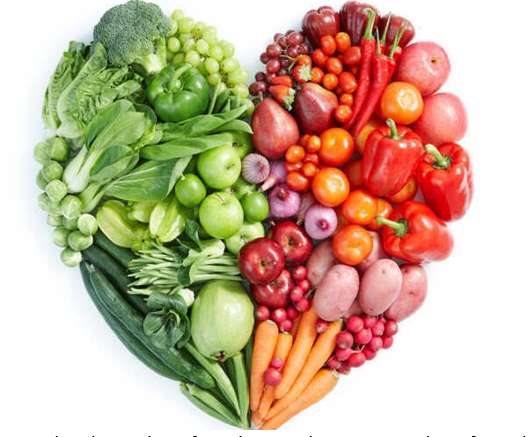 Food synergy refers to the additive or sometimes greater-than-additive -effects that occur when nutrients and other bioactive compounds are consumed together. Every food is a complex package of vitamins, minerals, dietary fibre, healthy fats, proteins, antioxidants and phytochemicals. These compounds interact with one another before, during, and after digestion. Some improve the absorption of nutrients, others protect them from degradation, while many work together to influence the body’s biological processes.This is why researchers now believe that studying foods and dietary patterns provides a more accurate picture of nutrition than studying single nutrients alone.
Understanding Bioavailability: It’s Not Just What You Eat
One of the most important concepts behind food synergy is bioavailability the proportion of a nutrient that the body can absorb and use.
Two foods may contain similar amounts of a nutrient, but the body may absorb much more from one because another food enhances its availability.
For example, the iron found in plant foods exists mainly as non-haem iron, which is not absorbed efficiently on its own. Vitamin C helps convert this form of iron into one that is easier for the body to absorb. This is why nutritionists often recommend eating iron-rich foods with citrus fruits.
Similarly, curcumin, the active compound in turmeric, is poorly absorbed when consumed alone. Black pepper contains piperine, a natural compound that slows the breakdown of curcumin in the digestive tract, dramatically increasing its absorption.
These interactions demonstrate that healthy eating is not only about choosing nutritious foods but also about combining them wisely.
Food Synergy in Everyday Meals
Many traditional food combinations are excellent examples of food synergy in action.
Turkey berry and citrus fruits
Turkey berry is valued for its iron content. Pairing it with oranges, lemons, pineapples, or other vitamin C-rich fruits helps improve the absorption of non-haem iron, supporting healthy blood formation and reducing the risk of iron deficiency. For convenience, turkey berry can also be consumed in powder form such as Daliha Turkey Berry Powder or Tea, which can be paired with balanced diet vitamin C-rich fruits as part of a diet. Explore more healthy options at https://take.app/dalihafoods.
Turmeric and black pepper
Black pepper contains piperine, which significantly enhances the absorption of curcumin. Together, they provide greater antioxidant and anti-inflammatory benefits than turmeric alone. Likewise, turmeric based products such as Daliha Turkey Berry Turmeric Powder or tea can be enjoyed, with meals seasoned with black pepper to maximize these benefits. For more heath foods get more information at at https://take.app/dalihafoods.
Tomatoes and healthy fats
Tomatoes are rich in lycopene, a carotenoid associated with heart health. Because lycopene is fat-soluble, consuming tomatoes with olive oil, avocado, or other healthy fats improves its absorption. Similarly, nutrient denes ingredients such as Daliha Turkey Berry Powder can be incorporated into tomato- based dishes to further enrich the meal without changing the food synergy. For convenience you can explore more option at https://take.app/dalihafoods.
Yoghurt and bananas
Yoghurt provides beneficial probiotic bacteria, while bananas contain prebiotic fibers such as inulin that nourish these bacteria. Together, they promote a healthier gut microbiome and support digestive health. For those looking to add more plant-based nutrients Daliha Moringa Powder can be blended in to yoghurt and banana smoothies while preserving the complementary benefits of this combination. Click the link to and through the various varieties at https://take.app/dalihafoods.
Green tea and lemon
The vitamin C in lemon helps preserve catechins the powerful antioxidants found in green tea allowing the body to absorb more of these beneficial compounds. While green tea and lemon remain a classic example of food synergy, Daliha Turkey Berry Hibiscus Tea offer another convenient way to enjoy antioxidant -rich plant compound as part of a healthy diet. You can get more details at https://take.app/dalihafoods.
Garlic and honey
Studies suggest that garlic and honey exhibit stronger antibacterial activity when used together than when used separately, illustrating that food synergy extends beyond nutrient absorption to antimicrobial activity. Similarly combining garlic and honey with a warm cup of any of the various daliha teas can complement this traditional paring while contributing additional antioxidant compound to the diet. For more information you can explore more at https://take.app/dalihafoods.
Phytochemicals: Nature’s Protective Compounds
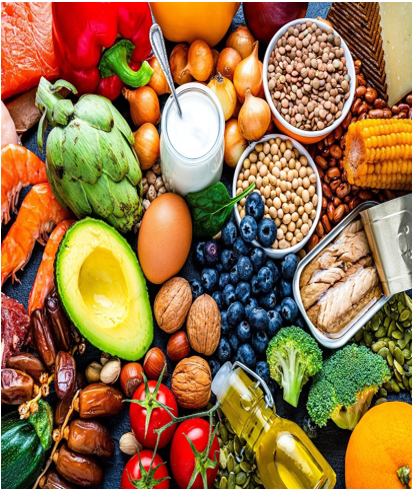 Plants naturally produce thousands of compounds known as phytochemicals to protect themselves from pests, diseases, and environmental stress. When humans consume plant foods, many of these compounds contribute to better health.
Examples include curcumin in turmeric, lycopene in tomatoes, flavonoids in fruits, catechins in tea, and polyphenols found in many fruits, vegetables, herbs, and spices.
These compounds help neutralize harmful free radicals, reduce inflammation, strengthen immune function, and protect cells from damage. Their benefits are often greatest when consumed as part of whole foods rather than isolated supplements.
Food Synergy and Disease Prevention
Research consistently shows that healthy dietary patterns are associated with lower risks of chronic diseases. The Mediterranean diet, characterized by fruits, vegetables, legumes, whole grains, nuts, fish, and olive oil, has been linked to lower rates of cardiovascular disease, type 2 diabetes, and premature death.
Similarly, the Dietary Approaches to Stop Hypertension (DASH) eating pattern, which emphasizes fruits, vegetables, whole grains, nuts, and low-fat dairy products, has been proven to lower blood pressure and improve heart health.
In contrast, dietary patterns high in processed meats, refined grains, sugary foods, and fried foods have been associated with obesity, cardiovascular disease, diabetes, and certain cancers.
These findings suggest that the overall quality of the diet not a single nutrient is what matters most.
Food Synergy and the Immune System
The immune system depends on adequate nutrition to function effectively. Vitamins, minerals, antioxidants, and phytochemicals all contribute to maintaining healthy immune cells and protecting the body against infections.
Research shows that combining foods rich in complementary nutrients may improve antioxidant activity, reduce oxidative stress, and enhance the body’s natural defense mechanisms. This highlights the importance of consuming a wide variety of nutritious foods rather than relying on one miracle ingredient.
Bringing Food Synergy to the Ghanaian Table
Food synergy can easily be incorporated into everyday Ghanaian meals using familiar ingredients.
Pairing turkey berry with oranges or other vitamin C-rich fruits can improve iron absorption. Adding black pepper to turmeric-containing dishes enhances curcumin absorption. Eating tomatoes with healthy fats such as avocado or vegetable oils helps the body utilize lycopene more efficiently, while combining yoghurt with bananas supports gut health.
The same principle is reflected in locally produced food products that combine complementary ingredients. For example, Daliha’s Turkey Berry-based tea blends combine ingredients such as turkey berry, ginger, turmeric, hibiscus, and cinnamon in convenient formulations. While these products can be part of a healthy lifestyle, they provide the greatest benefit when enjoyed alongside a balanced diet rich in fruits, vegetables, whole grains, legumes, and other nutritious local foods. Explore more at https://take.app/dalihafoods.
Conclusion
Food is far more than a collection of individual nutrients. Every meal contains a complex network of vitamins, minerals, fibre, healthy fats, antioxidants, and phytochemicals that interact in remarkable ways inside the body.
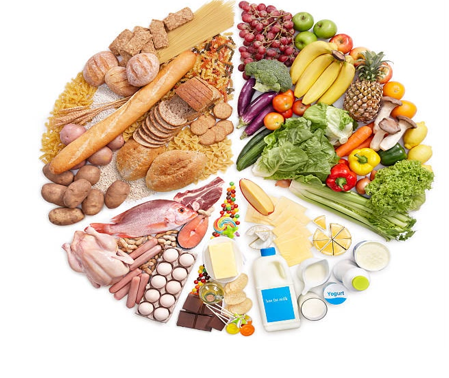 The science of food synergy reminds us that good nutrition is not simply about eating more of one nutrient or taking supplements. It is about embracing a variety of wholesome foods that naturally complement one another. By making thoughtful food combinations part of our daily meals, we can improve nutrient absorption, strengthen immunity, and support long-term health.
Ultimately, the healthiest diet is not built around a single ingredient. It is built around the powerful partnerships that exist within the foods we eat every day.
References
Cambridge University Press. https://www.cambridge.org
Frontiers. https://www.frontiersin.org
Universitas Respati Indonesia Repository (URINDO). https://repository.urindo.ac.id
ResearchGate. https://www.researchgate.net